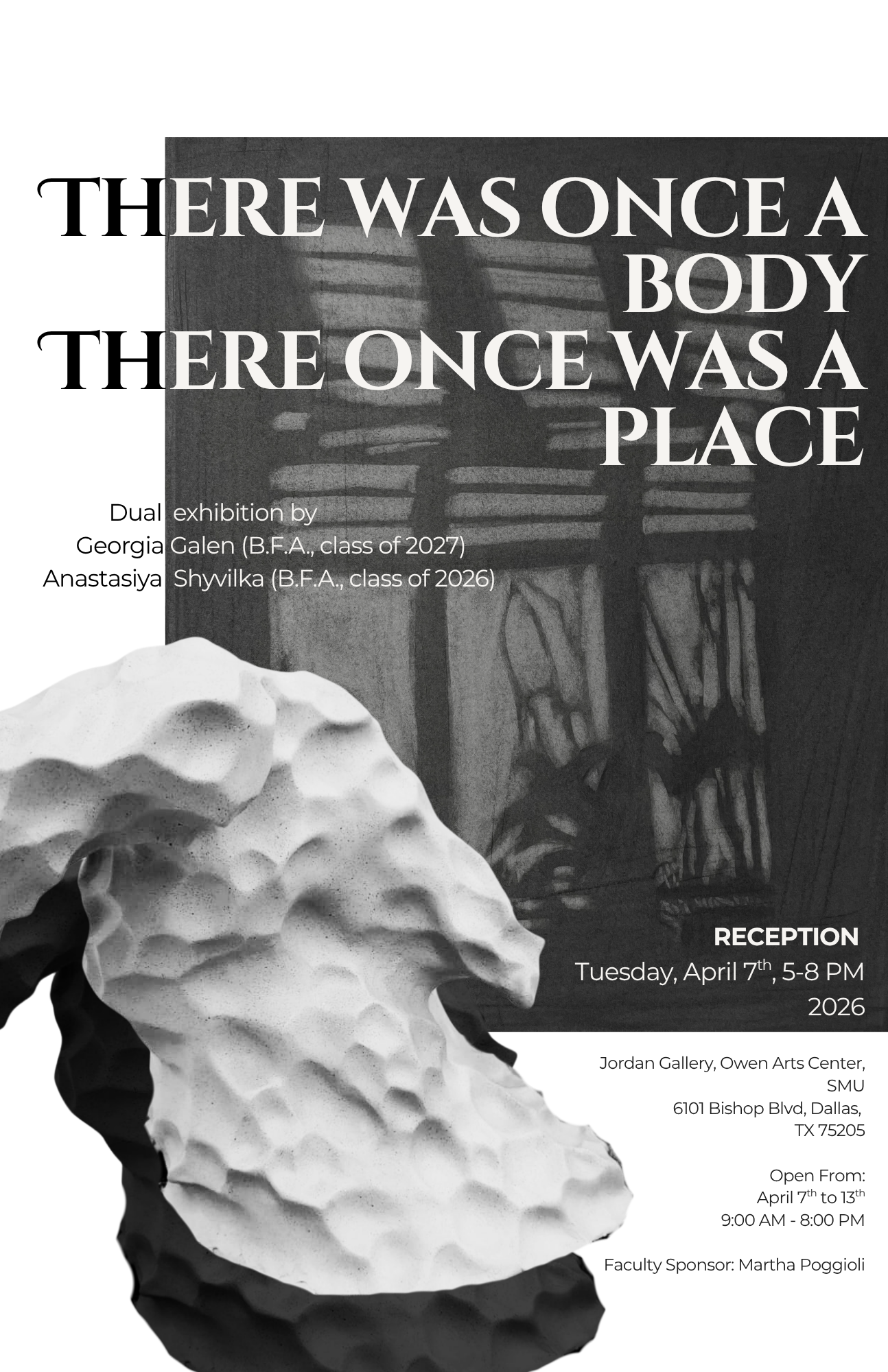
There was once a body
There once was a place
Dual show by Galen and Anastasiya Shyvilka
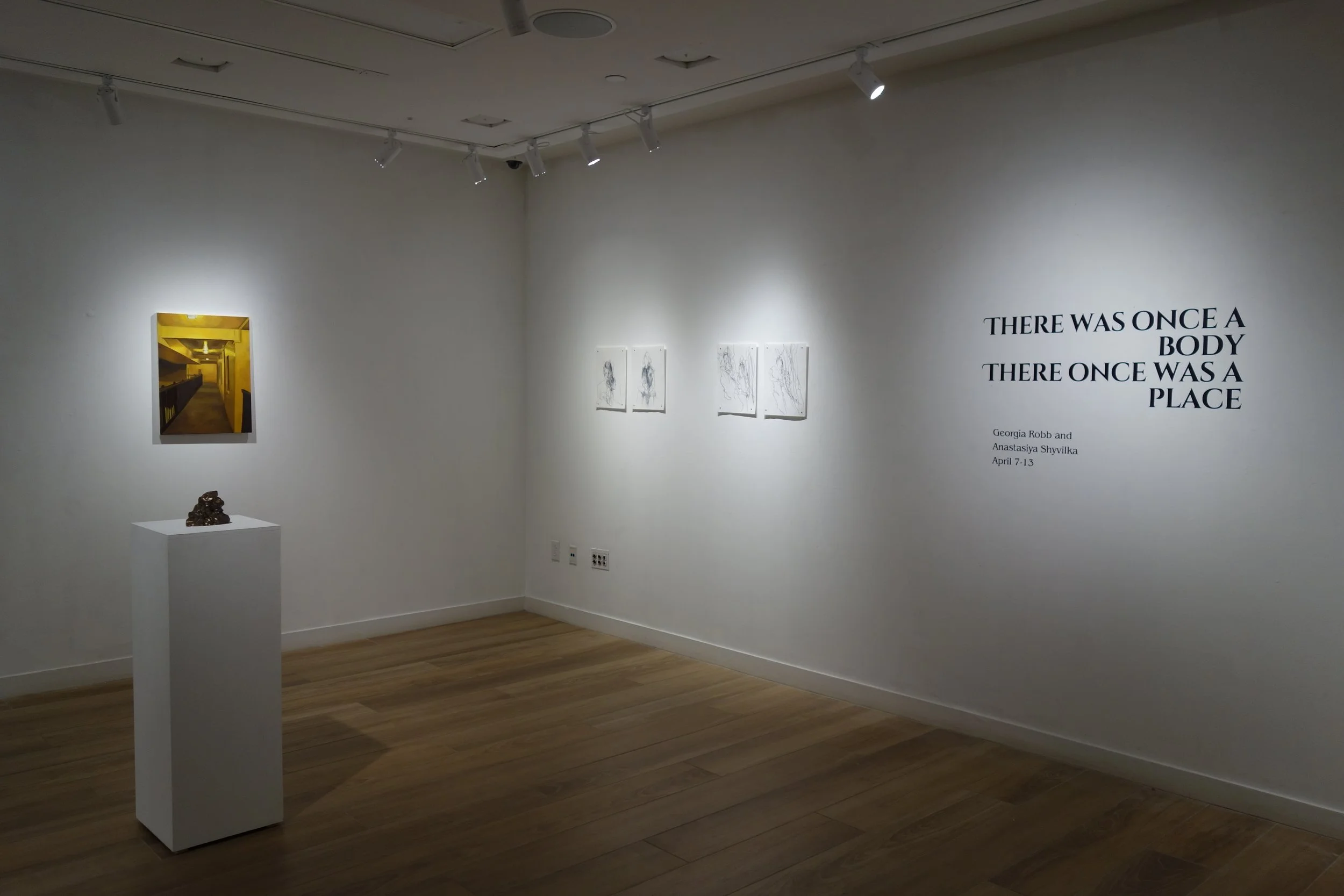
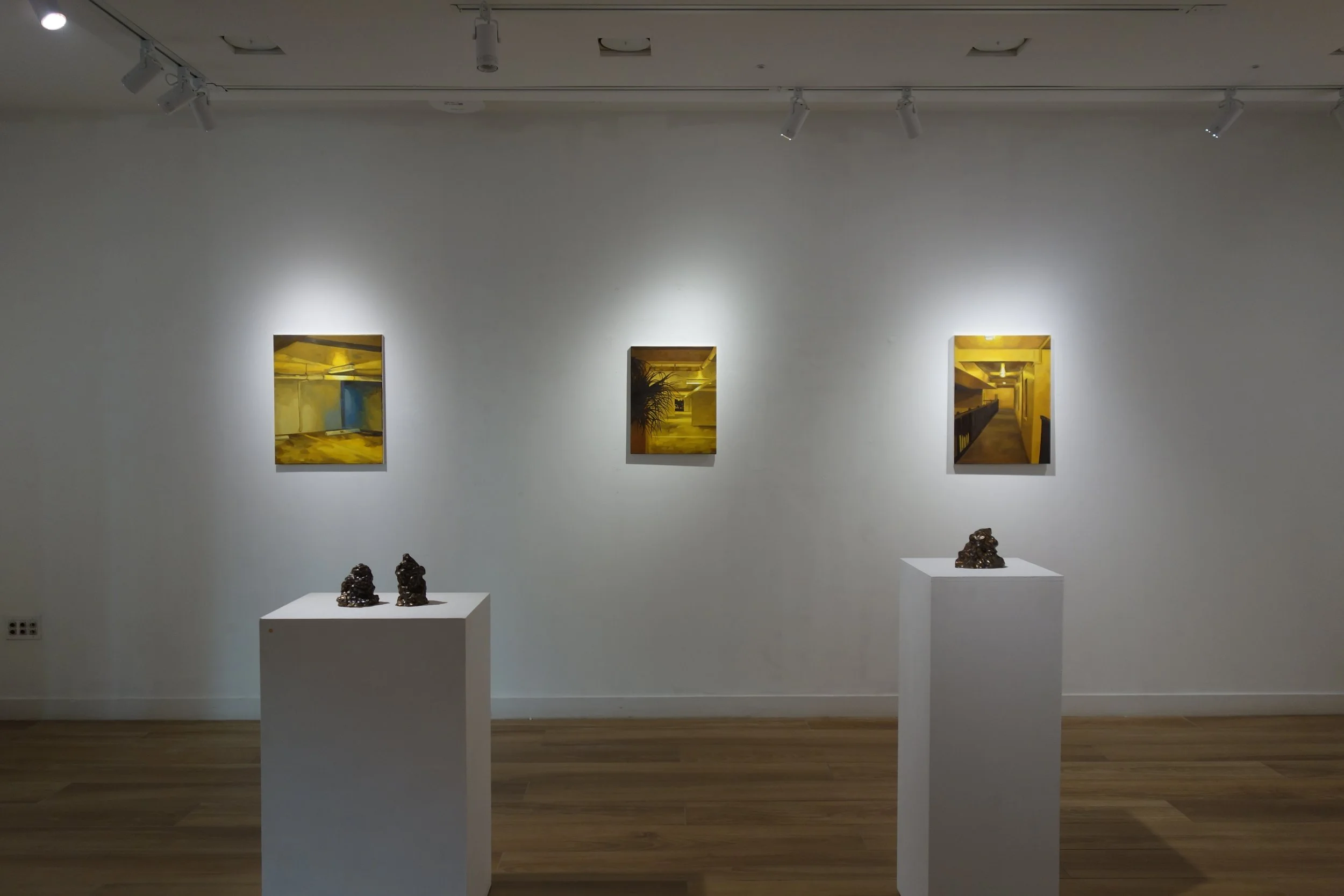
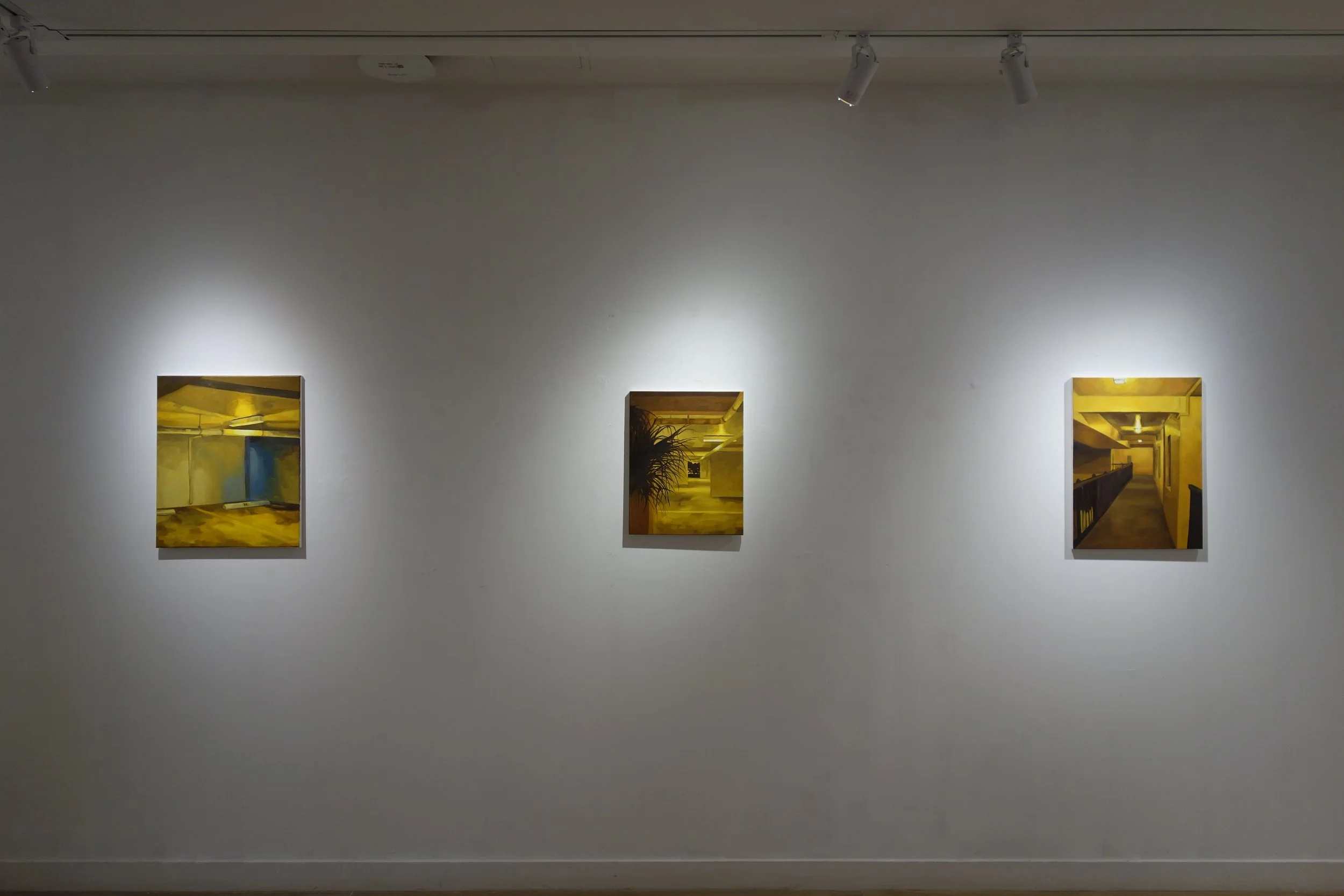
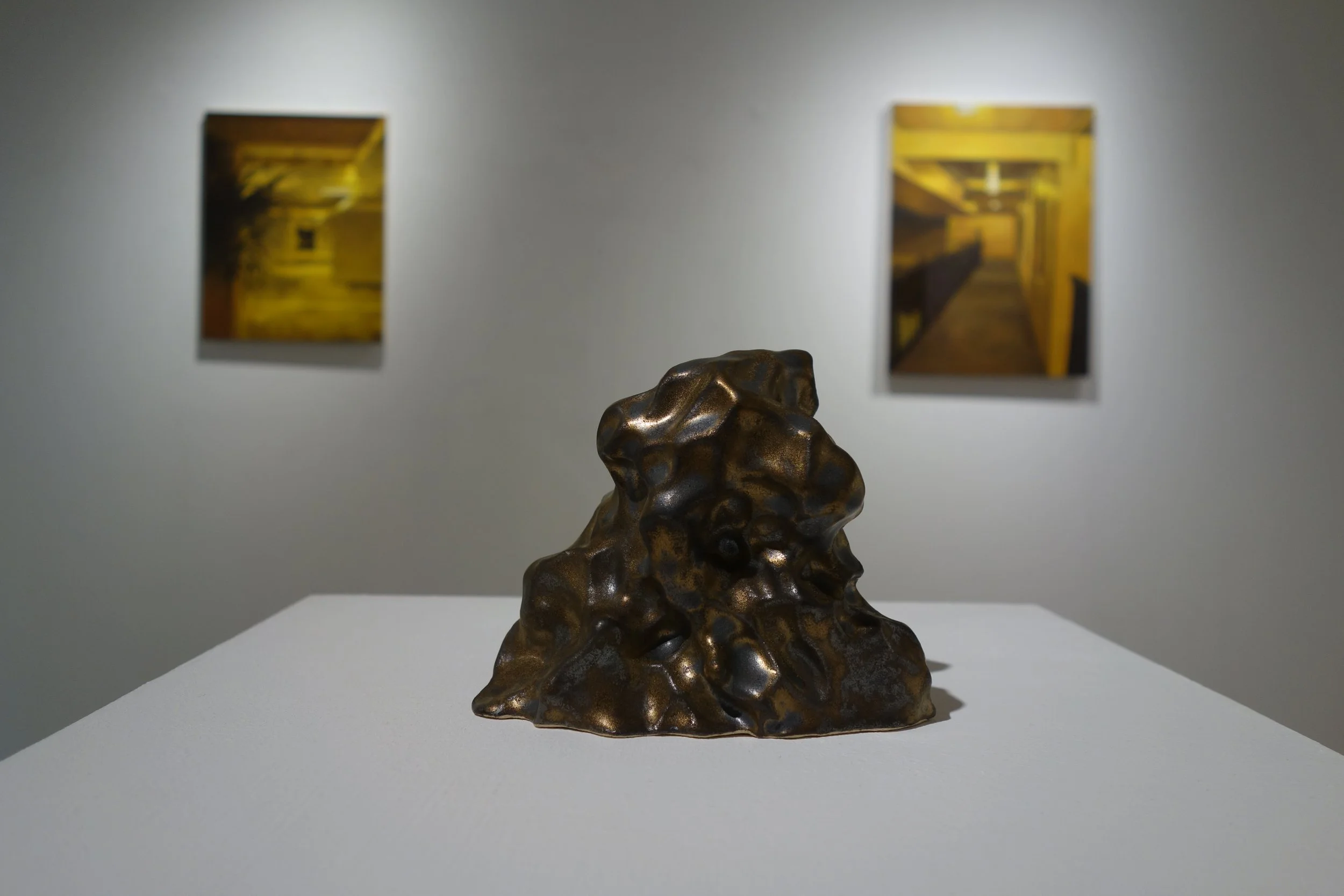
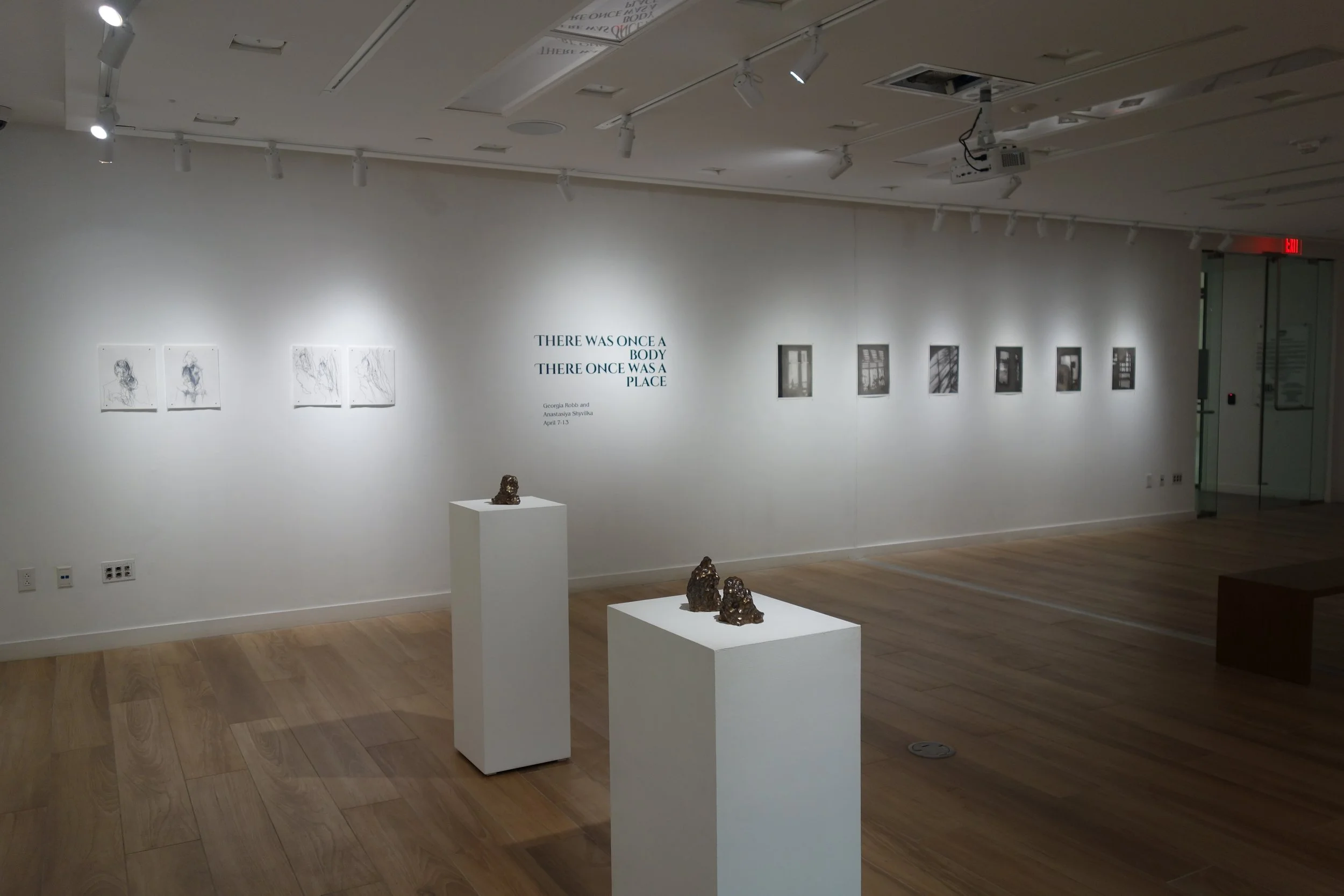
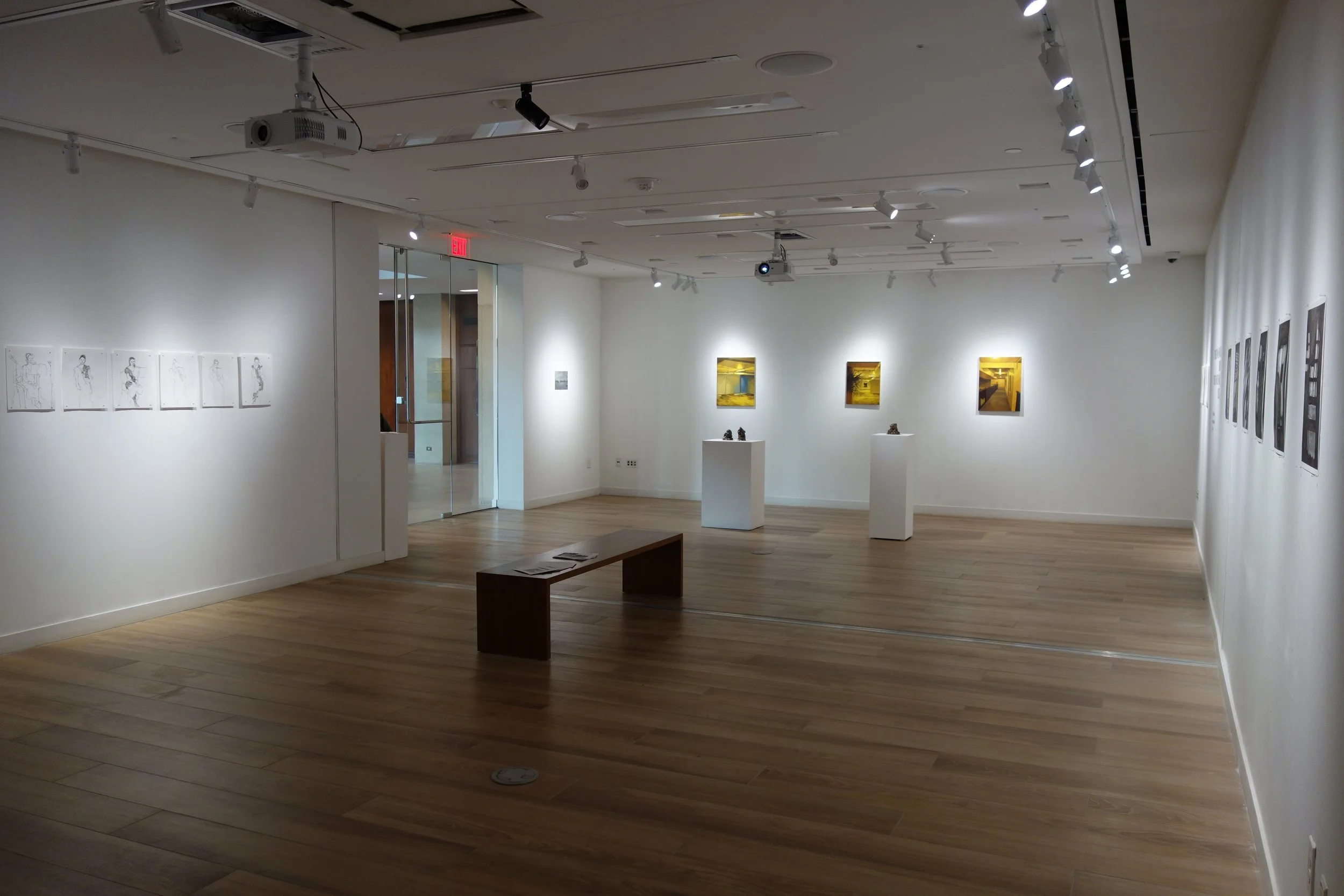
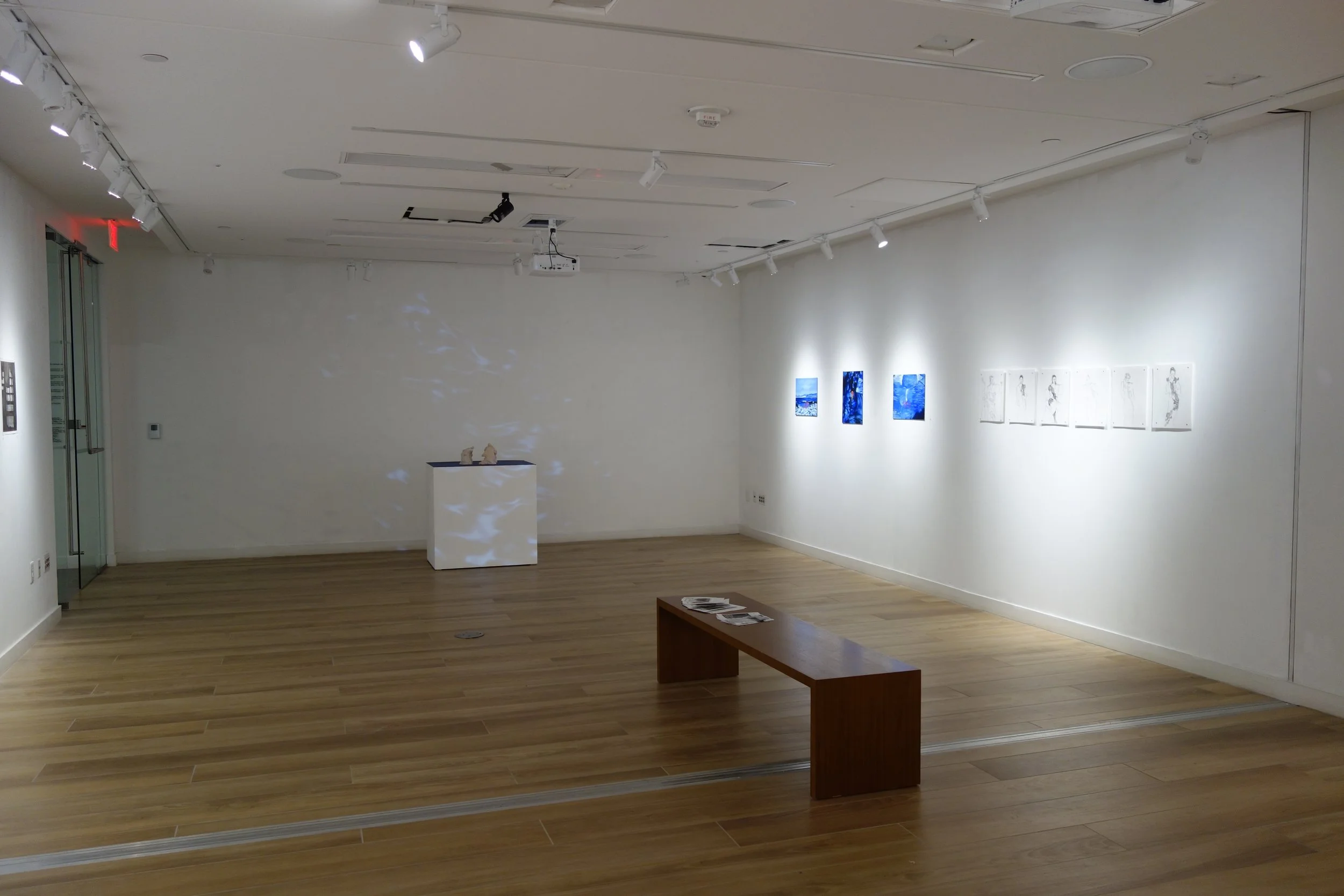
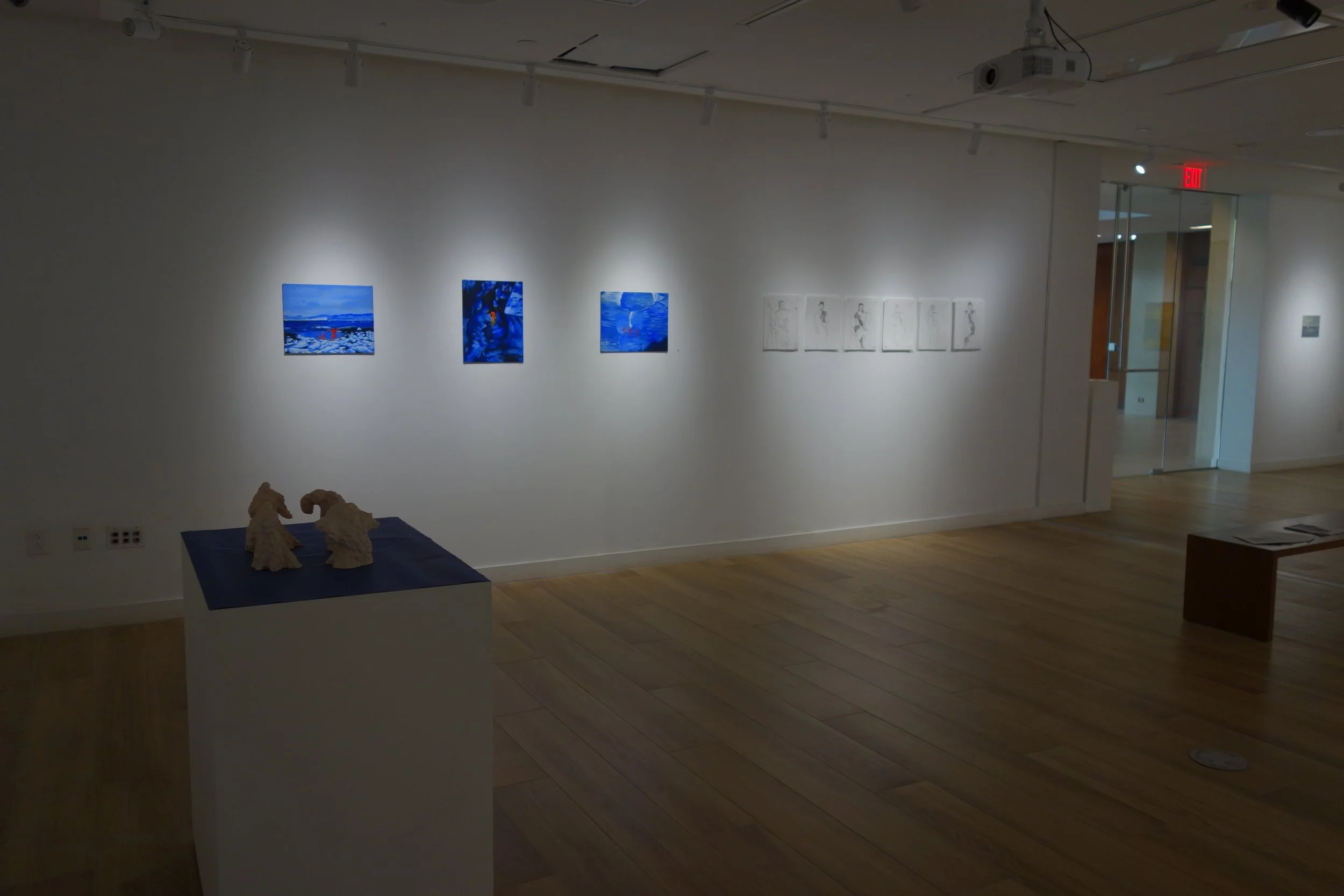
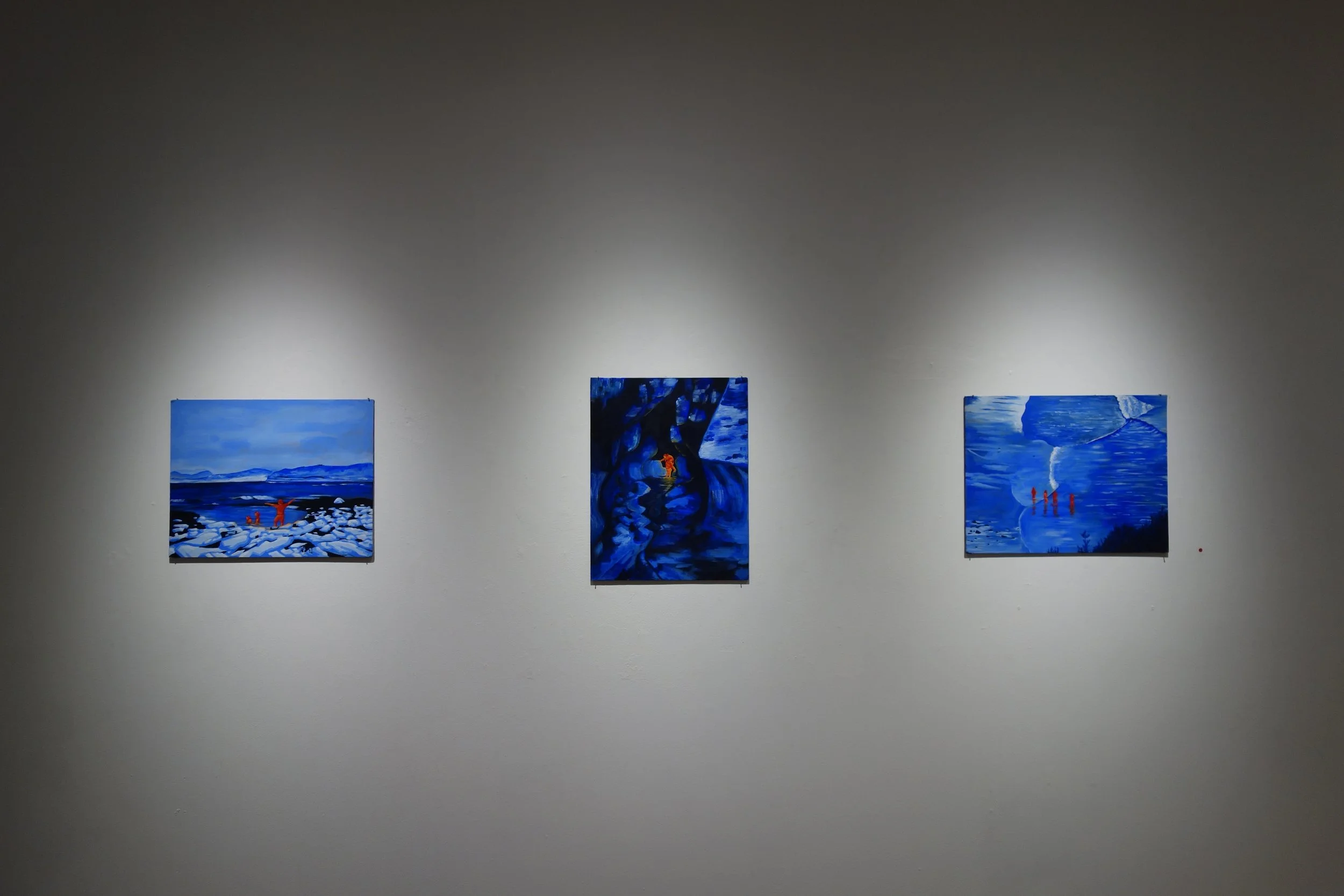
The artworks shown explore the tension between presence and absence, juxtaposing isolated human figures with spaces marked by the traces of those no longer there. While each artist’s work stands complete on its own, their pairing creates a dialogue that reveals how absence and presence define and deepen one another.
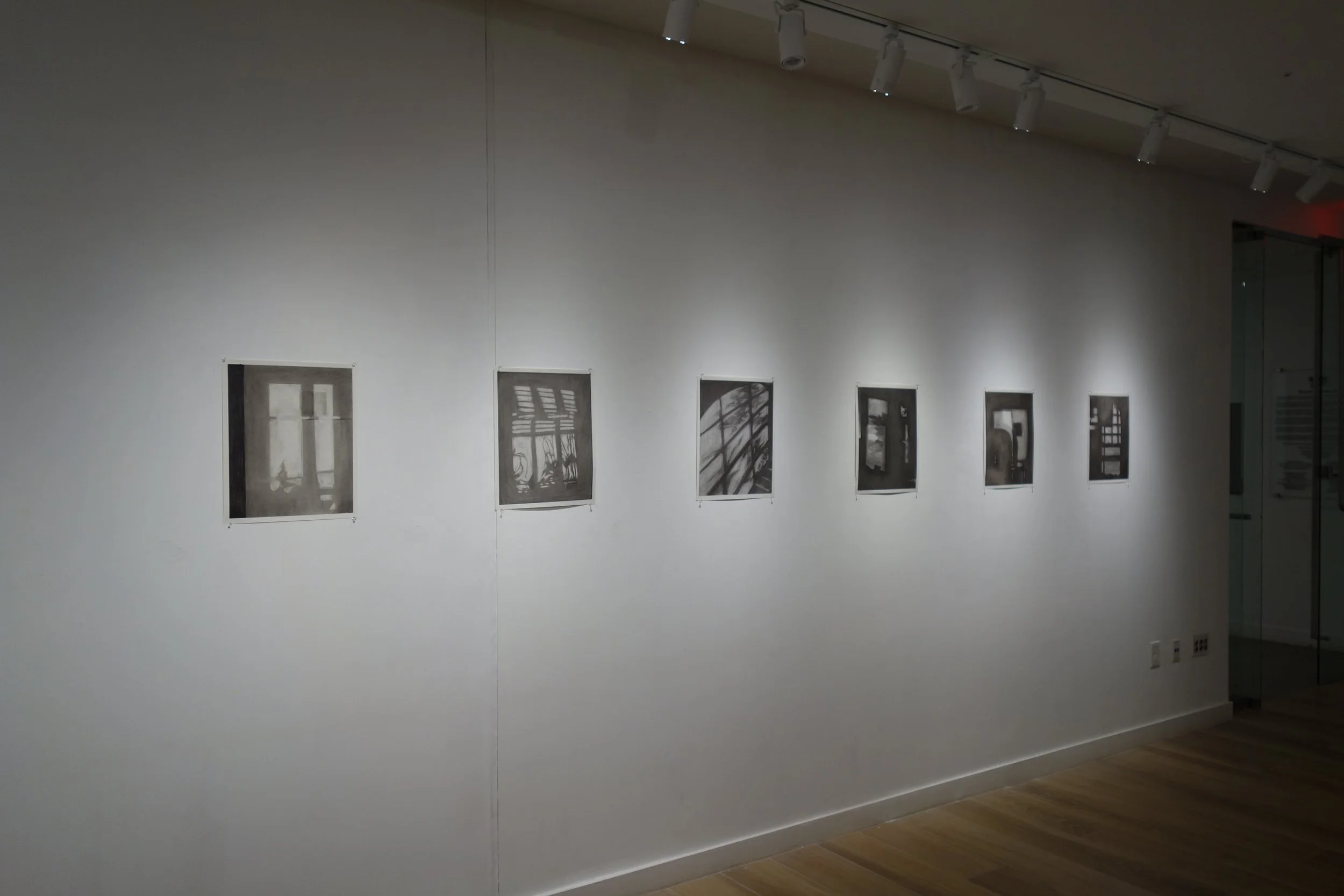
There was once a body, There once was a place
—
There was once a body, There once was a place —
Accompanying Material
Exhibition Statement
Georgia and Anastasiya’s collaborative exhibition unfolds as a dialogue between presence and absence, figure and space, interior and exterior. While Anastasiya isolates the human form, rendering figures untethered from context, Georgia turns toward the environments that remain, tracing the quiet imprints of lived experience. Each body of work stands independently, yet together they create a reciprocal relationship in which absence becomes legible through presence, and presence gains meaning through what is missing.
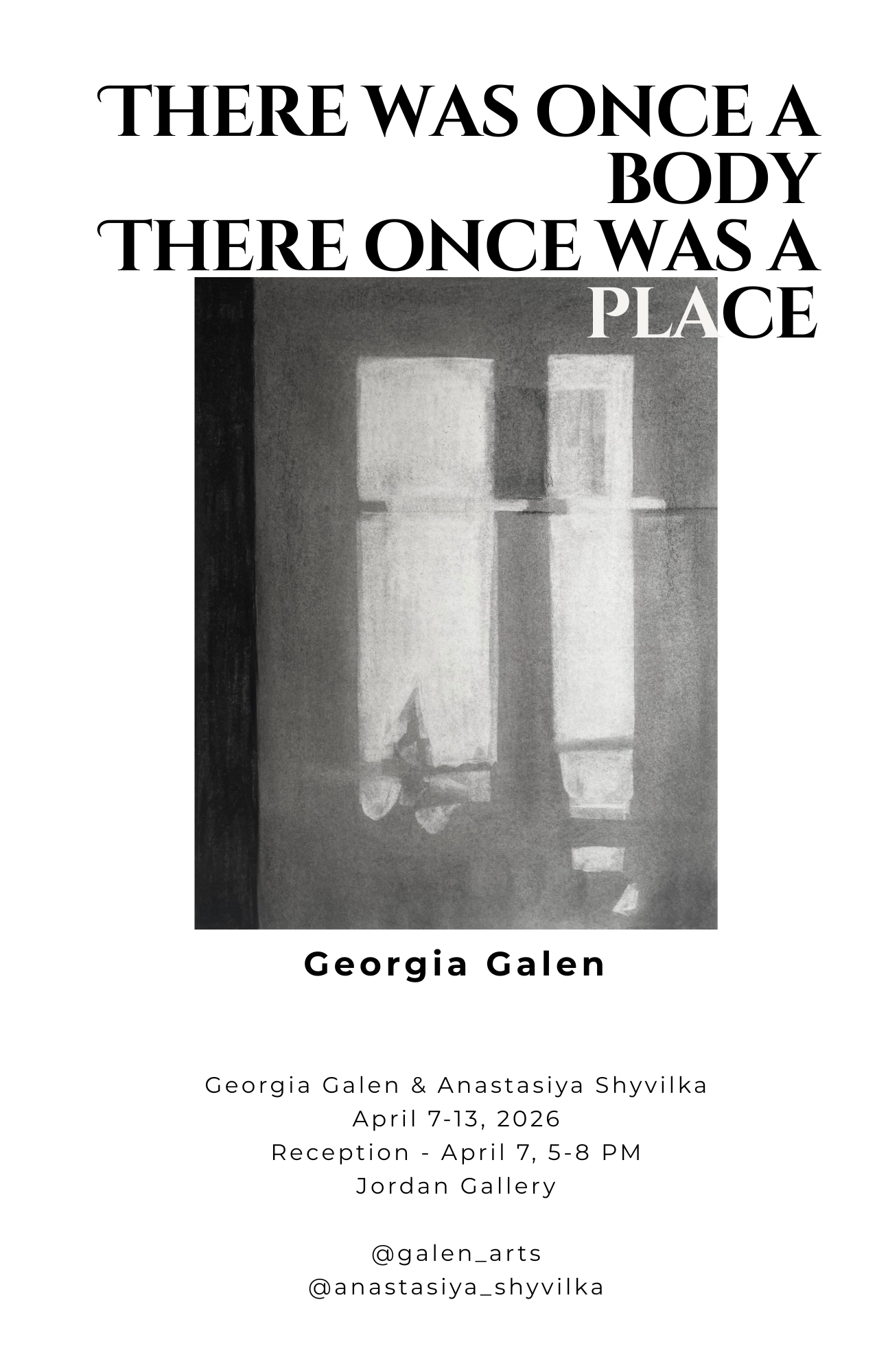
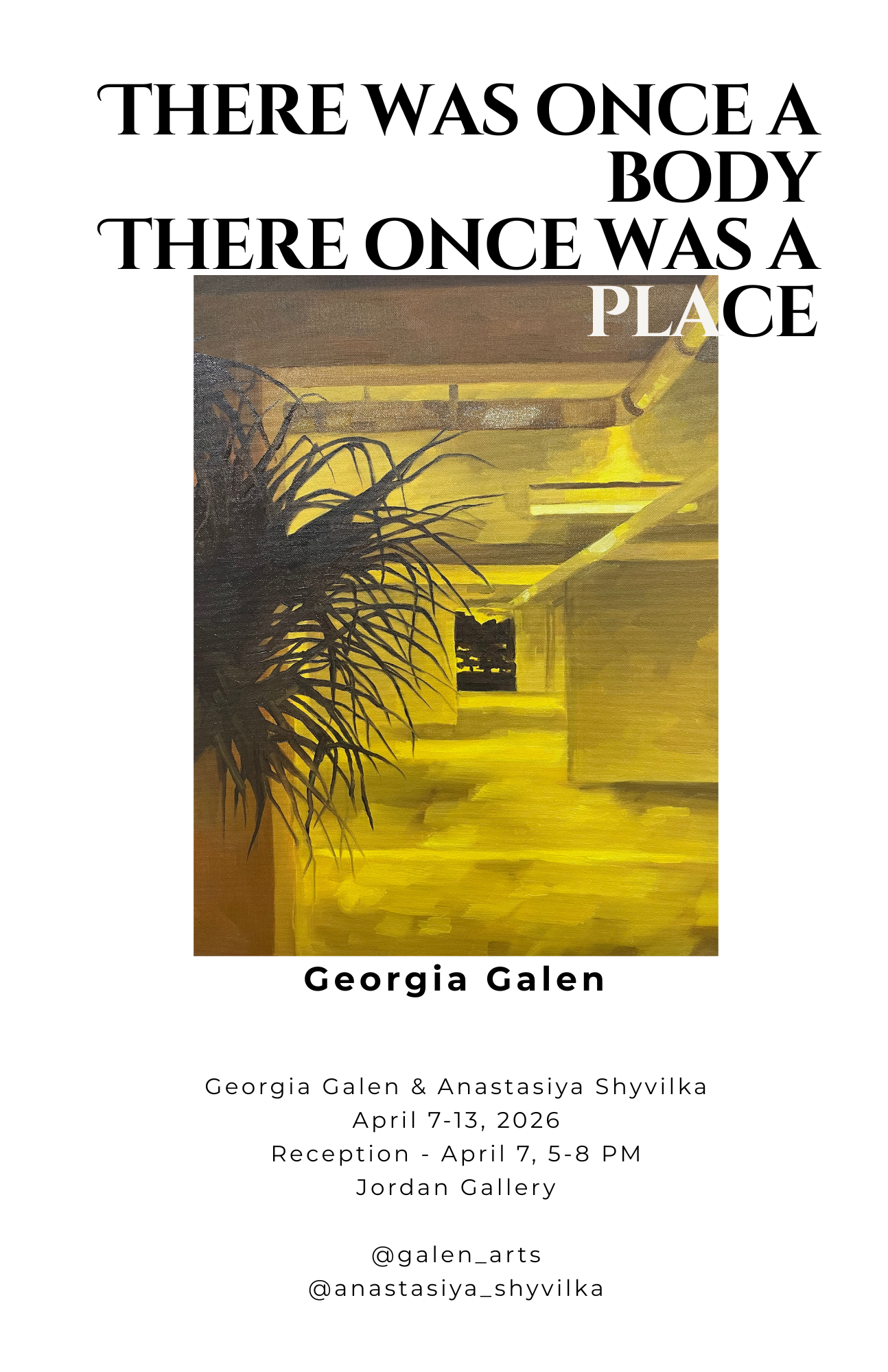
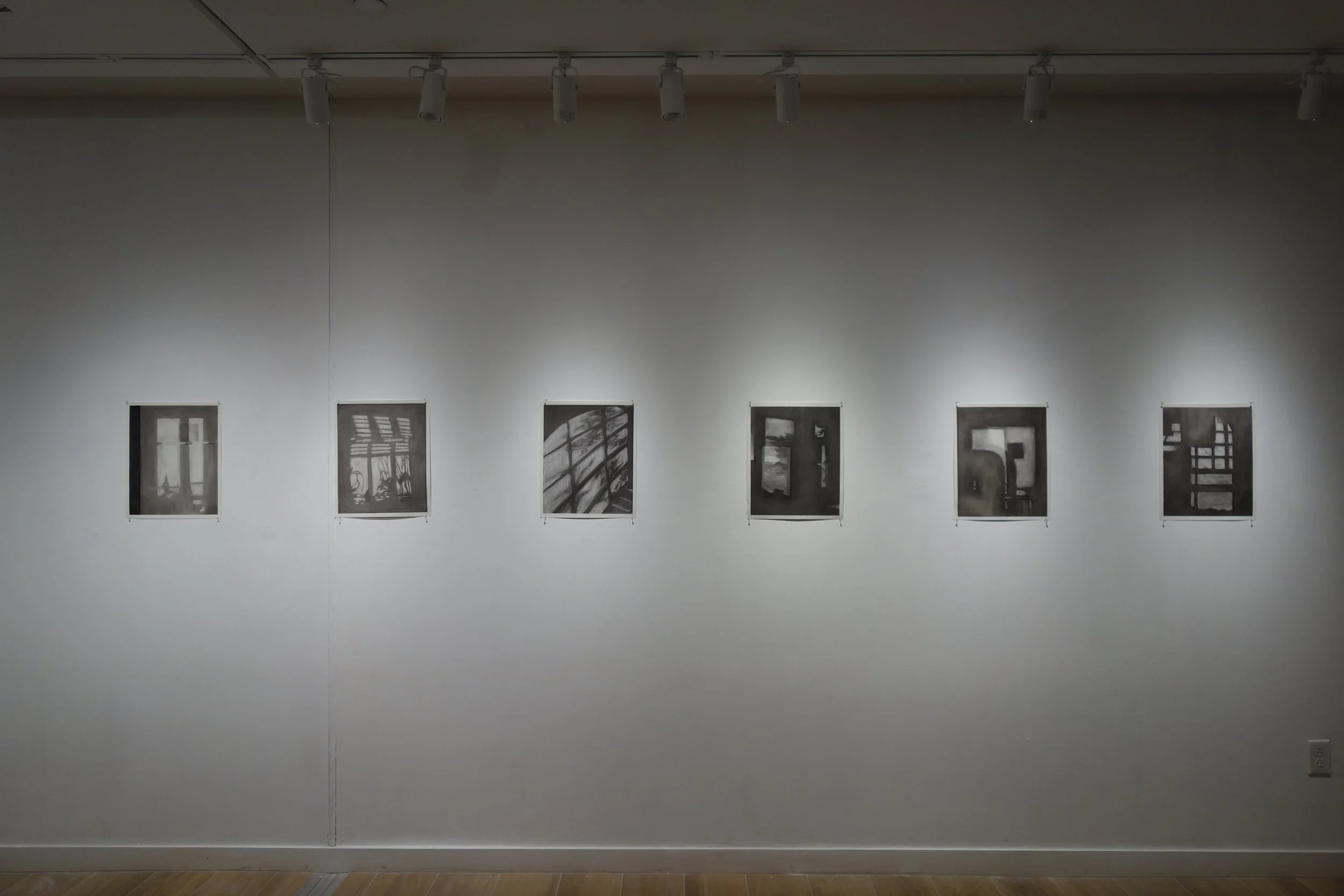
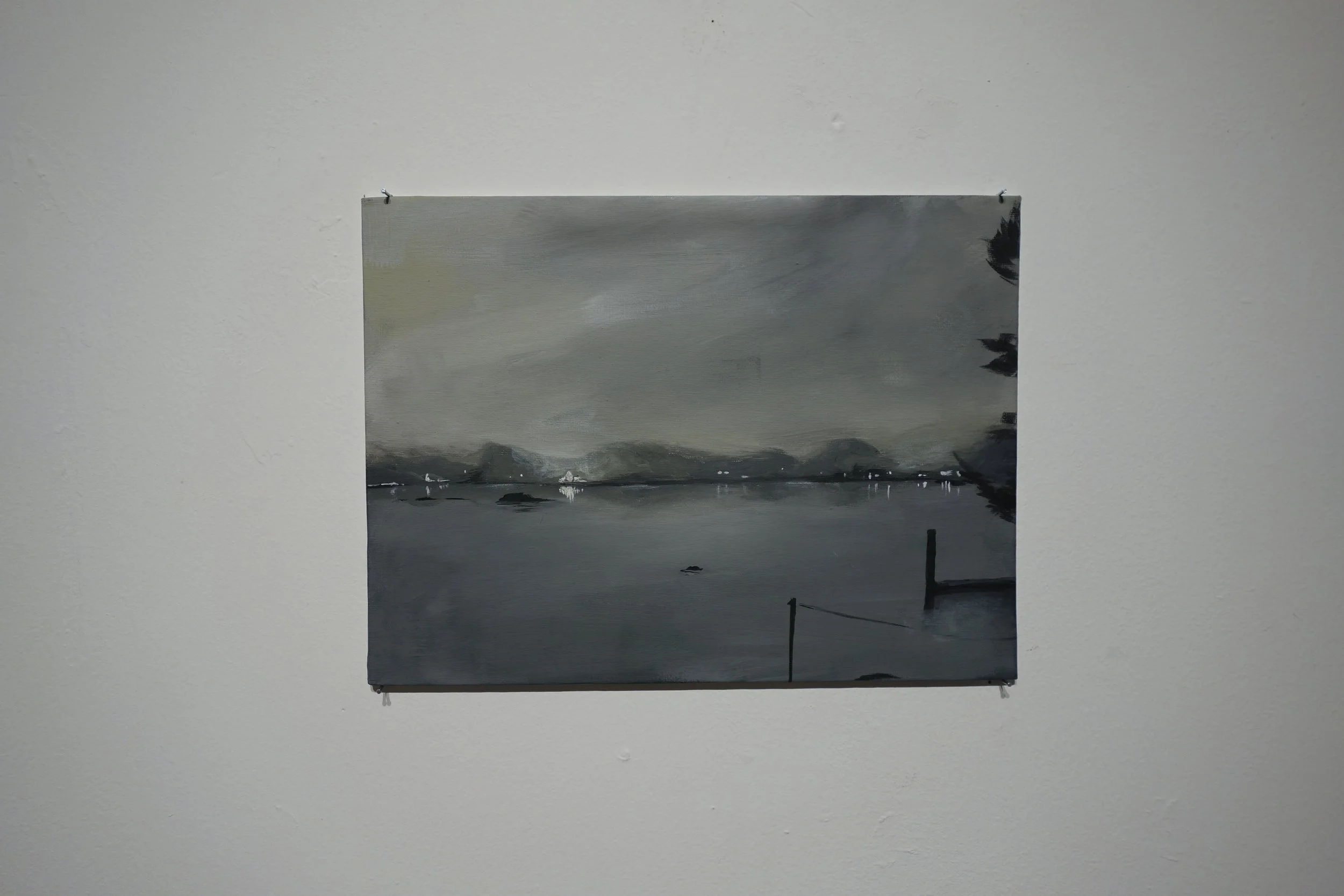
Georgia’s charcoal drawings and paintings focus on light as both subject and metaphor. Returning to spaces once called home, she captures fleeting reflections filtered through windows and objects, transforming interiors into vessels for perception and memory. Her works emphasize stillness, presenting spaces as containers of human presence rather than depicting figures themselves.
Anastasiya’s sculptures extend this inquiry into the human form, exploring the boundary between body and environment. Her metal-like clay figures appear abstract and voluminous, with smooth, water-like surfaces contrasting the material’s hardness. These forms suggest empathy and the tension between sensitivity and resilience, as figures seem both grounded and dissolving.
Together, their works question what remains when people leave and how presence lingers in absence. Dwelling in a liminal space, empty yet warm, the exhibition invites viewers to pause, observe, and reflect on what lingers within spaces and within ourselves.
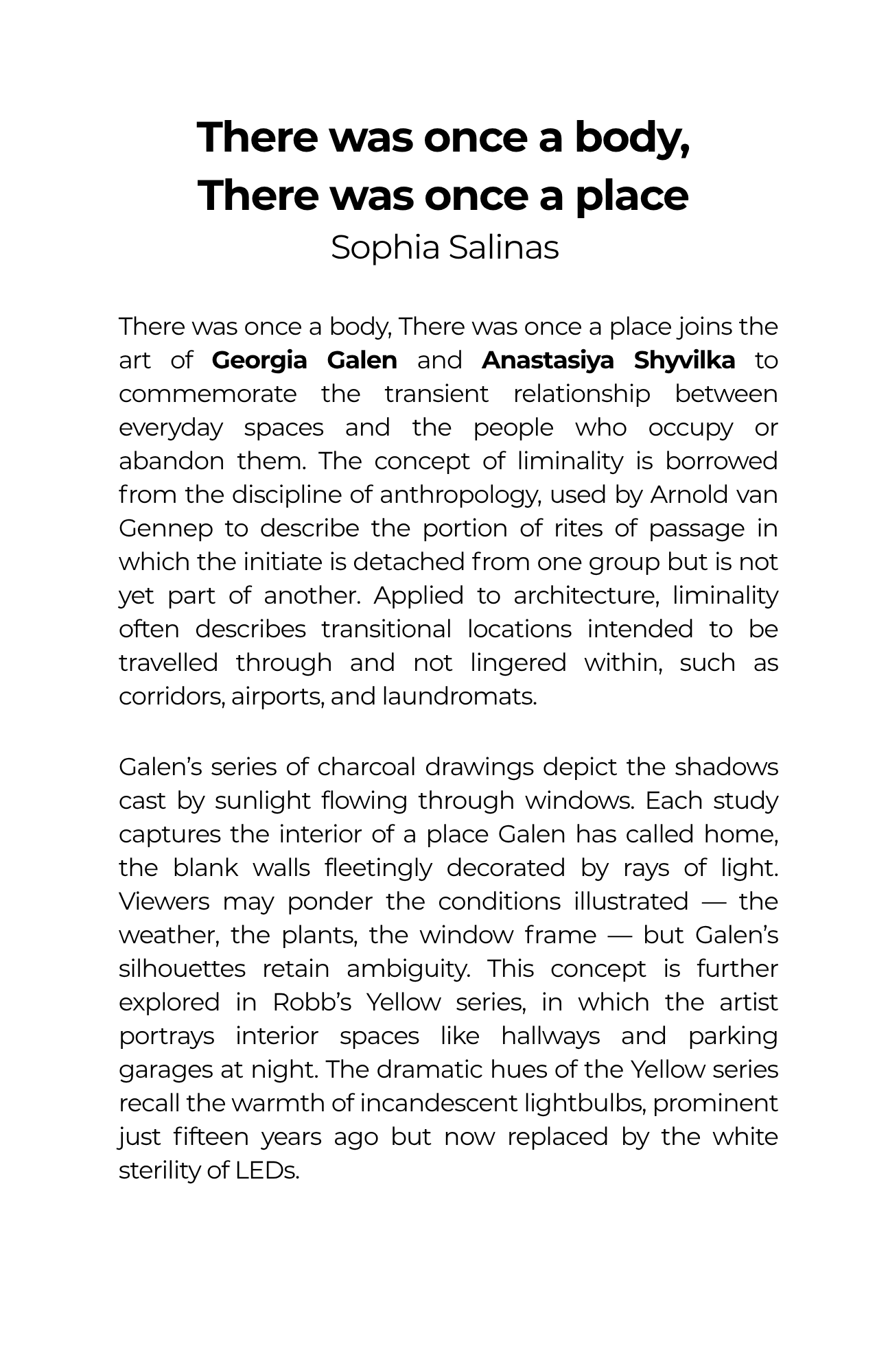
Brochure and Essay by Sophia Salinas
Art Cards